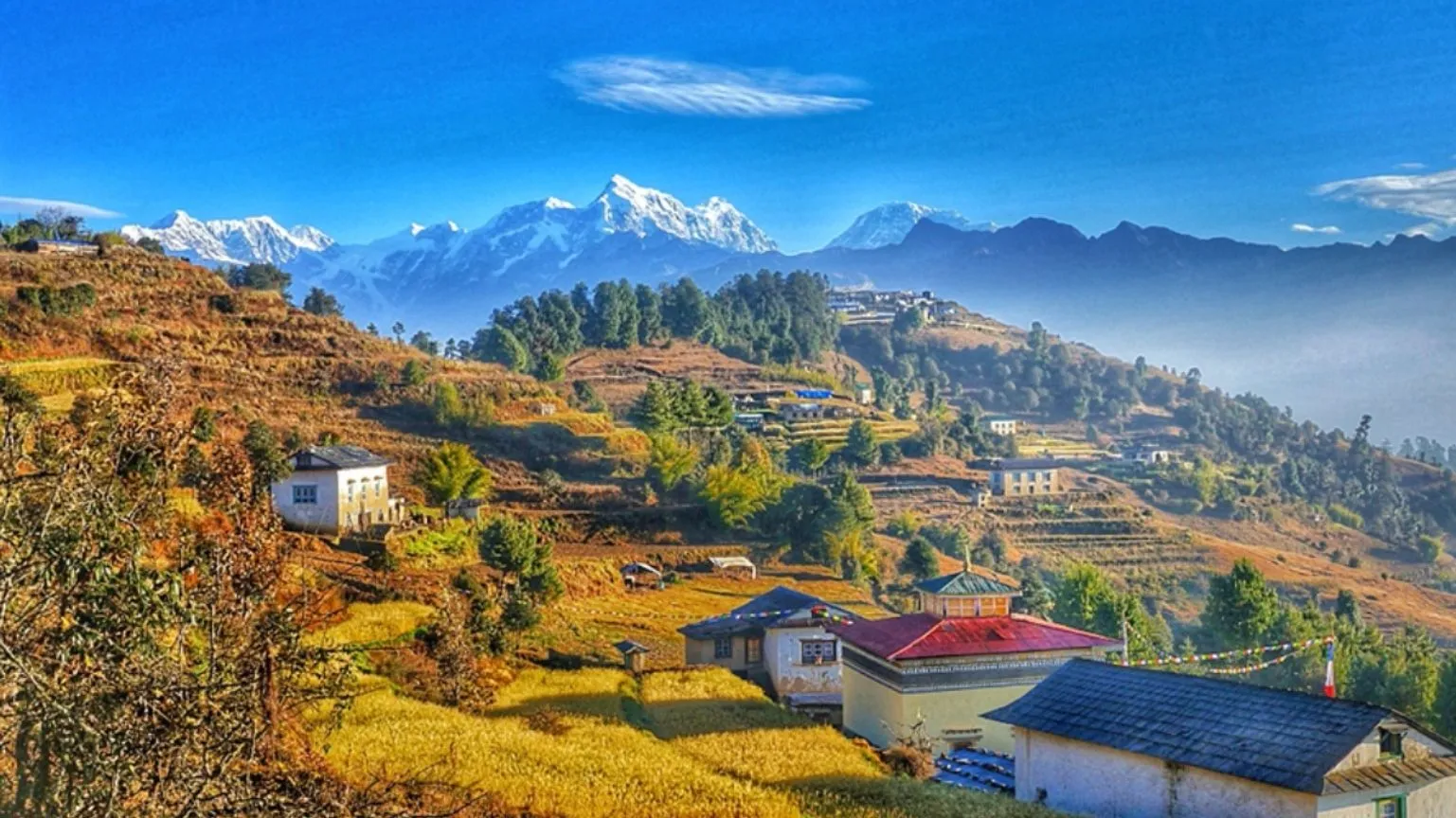
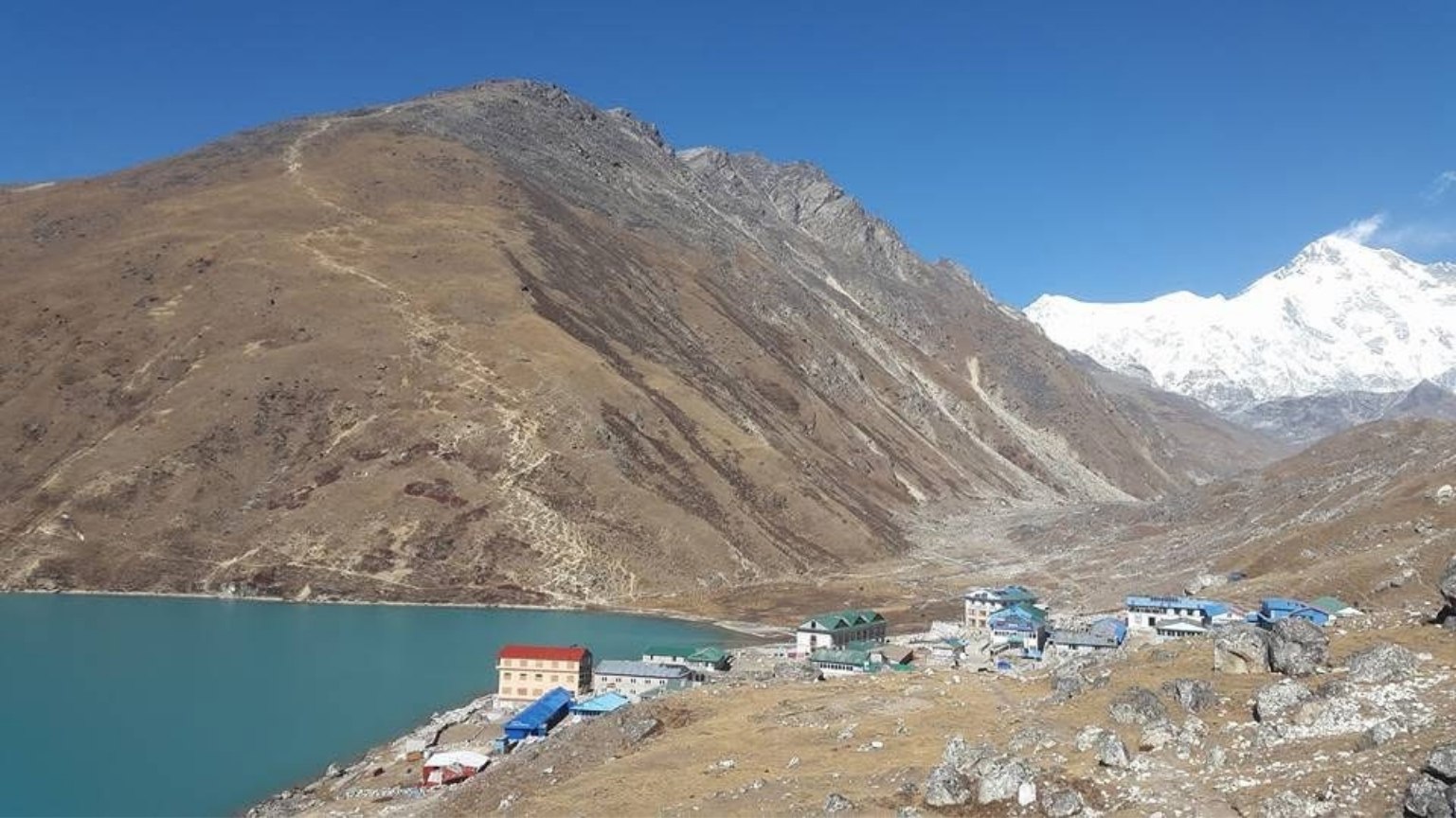
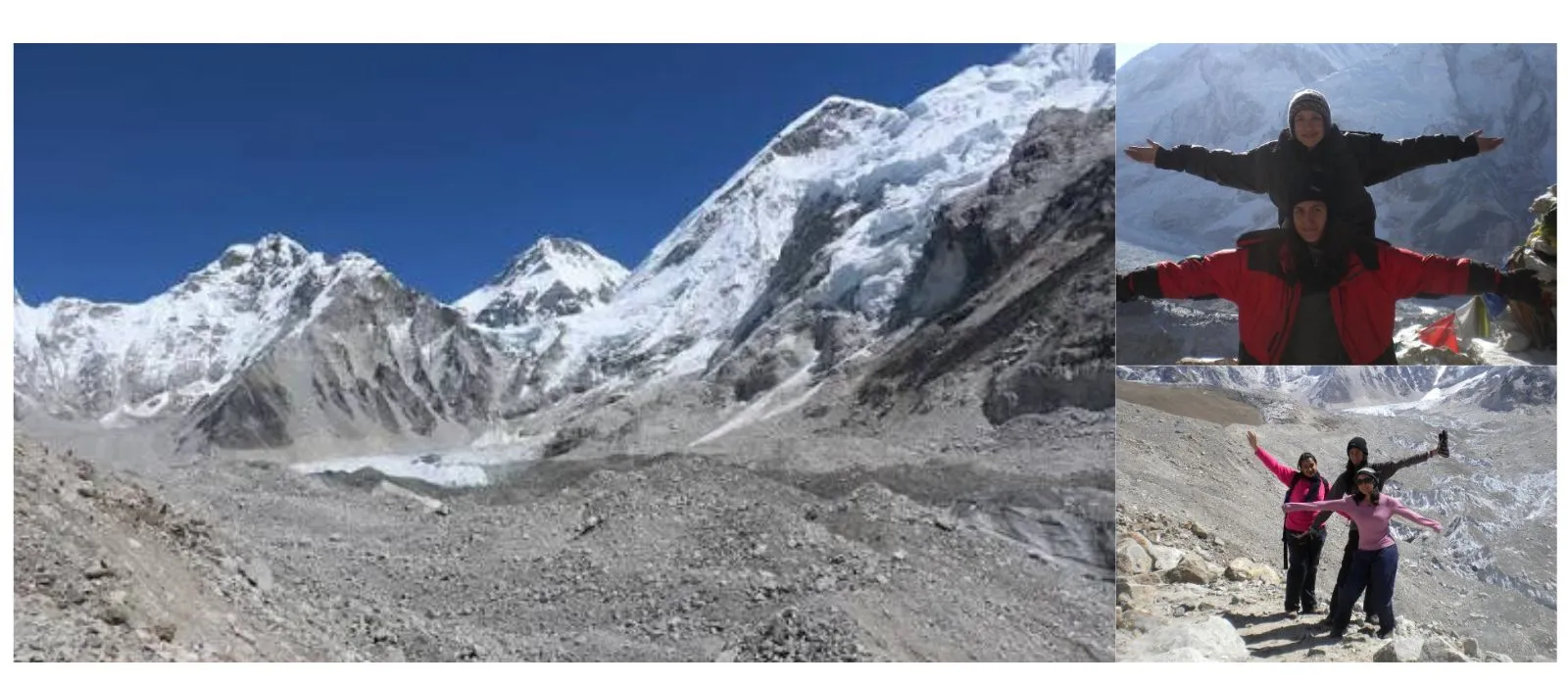
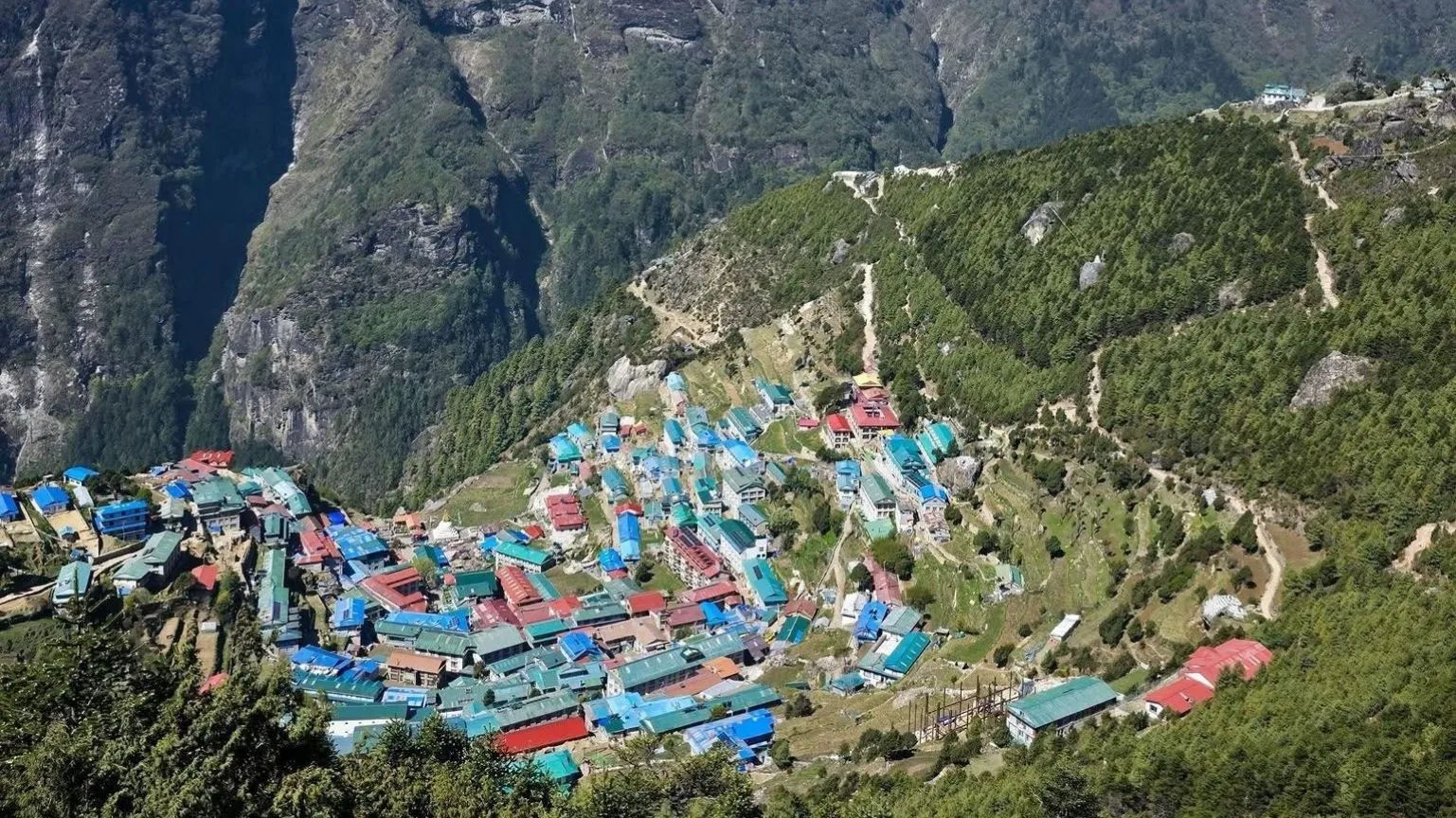
Everest Base Camp Express Trek (12 days)

Everest Base Camp Express Trek (12 days)

  101 Reviews on Tripadvisor  |  
  25 Reviews on Google

Introduction to Everest Base Camp Express Trek

Everest Base Camp Express Trek: The Ultimate Himalayan Adventure

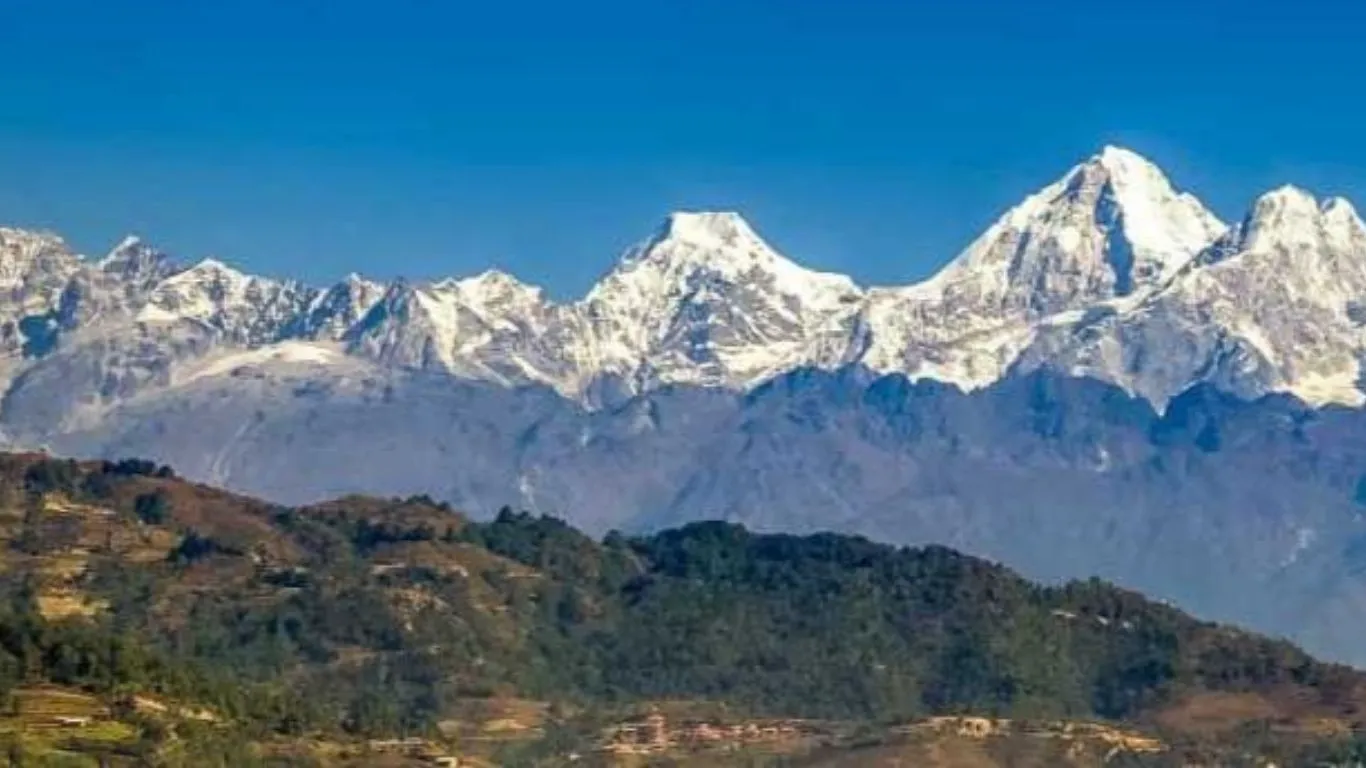
Embark on the journey of a lifetime with the Everest Base Camp Express Trek, a fast-paced yet rewarding adventure designed for thrill-seekers with limited time. This condensed Himalayan trekking itinerary takes you from the vibrant streets of Kathmandu to the very foot of the world’s highest peak in just 9 to 11 days.

The adventure begins with a scenic flight to Lukla, the gateway to the Khumbu region. From there, you’ll journey through the heart of the Sagarmatha National Park, a UNESCO World Heritage site famous for its soaring peaks and ancient Sherpa culture. You will navigate suspension bridges, explore the bustling hub of Namche Bazaar, and witness the spiritual serenity of the Tengboche Monastery.

Perfect for physically fit hikers, this express route culminates at the iconic Everest Base Camp (5,364m) and the breathtaking viewpoint of Kala Patthar. With Adventure Land Nepal, experience professional guidance and authentic hospitality on the most efficient path to the top of the world.

Trip Facts

Start Point

Kathmandu

End Point

Kathmandu

Duration

12 Days

Grade

Hard

Max Altitude

5430 Meters

Meals

Breakfast/Lunch/Dinner

Accomodation

Hotel/Lodge

No. of Person

Min. 02 Pax

Per day walking

5-7 Hours

Transportation

Car/Flight

Best Season

Sep-Nov & Mar-May

Activity

Everest Base Camp Express Trek

Trip Highlights

  • The World’s Most Thrilling Flight: Kathmandu/Ramechhap to Lukla.
  • Namche Bazaar: 2 nights in the Sherpa capital for perfect acclimatization.
  • The Spiritual Heart: Visit the Tengboche Monastery for a monk’s blessing.
  • The Ultimate Goal: Stand at Everest Base Camp (5,364m) and climb Kala Patthar (5,545m) for the iconic sunset view of Mt. Everest.
  • Expert Local Lead: 100% Sherpa-guided for maximum safety and local insight.

The Ultimate Guide to the Everest Base Camp Express Trek: A Journey to the Roof of the World

The Everest Base Camp Express Trek is a legendary adventure designed for those who possess a burning desire to stand at the foot of the world’s highest peak but are constrained by a tight schedule. While the classic Everest Base Camp Trek typically spans 14 to 16 days, the express version streamlines the journey into a focused, 12-day high-energy itinerary. This trek is not merely a physical challenge; it is a deep dive into the heart of the Khumbu region, blending the raw power of the Himalayas with the profound spiritual heritage of the Sherpa people. For travelers seeking a shorter but equally impactful alternative, the Everest Panorama View Trek often serves as a precursor, but nothing compares to the literal and figurative highs of reaching the base of Mount Everest itself.

Starting the Adventure: The Flight to Lukla and Trek to Phakding

Your Everest Base Camp Express Trek begins with what is often described as the most thrilling flight in the world: the journey from Kathmandu to Lukla (2,860m). As the small twin-otter plane weaves through emerald, green hills and jagged white peaks, you’ll catch your first glimpses of the scale of the Himalayas. Upon landing at the Tenzing-Hillary Airport, the air immediately feels crisper and thinner. After meeting your support team, the trek officially commences with a gentle descent toward the Dudh Koshi River valley.

The first leg to Phakding (2,610m) is a perfect introduction to the trail. You will wander through small hamlets, past hand-carved mani stones (prayer stones), and under the shadow of the sacred mountain Khumbila. This section of the Everest Base Camp Trek is lush and vibrant, contrasting sharply with the high-altitude deserts you will encounter later. Staying in Phakding allows your body to begin its first phase of “active” acclimatization before the significant climb ahead.

Ascending to the Sherpa Capital: Namche Bazaar

The trail from Phakding to Namche Bazaar (3,440m) is a true test of stamina and the first major milestone of the Everest Base Camp Express Trek. You will cross several high suspension bridges, including the famous Hillary Suspension Bridge, draped in colorful prayer flags that flutter in the mountain breeze. The final ascent to Namche is a steep, zigzagging climb through pine forests. It is during this stretch that many trekkers catch their first distant, breathtaking view of Mount Everest peaking over the Lhotse-Nuptse ridge.

Namche Bazaar is the beating heart of the Khumbu. This horseshoe-shaped town is tucked into a natural amphitheater and serves as the primary hub for trekkers and climbers alike. In an Everest Base Camp Express Trek itinerary, Namche is a vital stop for acclimatization. Even on a tight schedule, skipping a rest day here is not recommended. Instead, trekkers often take a “high hike” to the Everest View Hotel, which offers one of the most stunning panoramas in the world—a view so iconic it forms the centerpiece of the shorter Everest Panorama View Trek.

Spiritual Heights: Tengboche and Pangboche

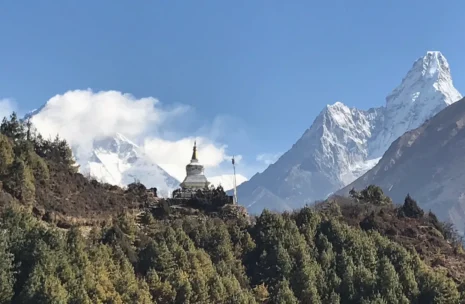
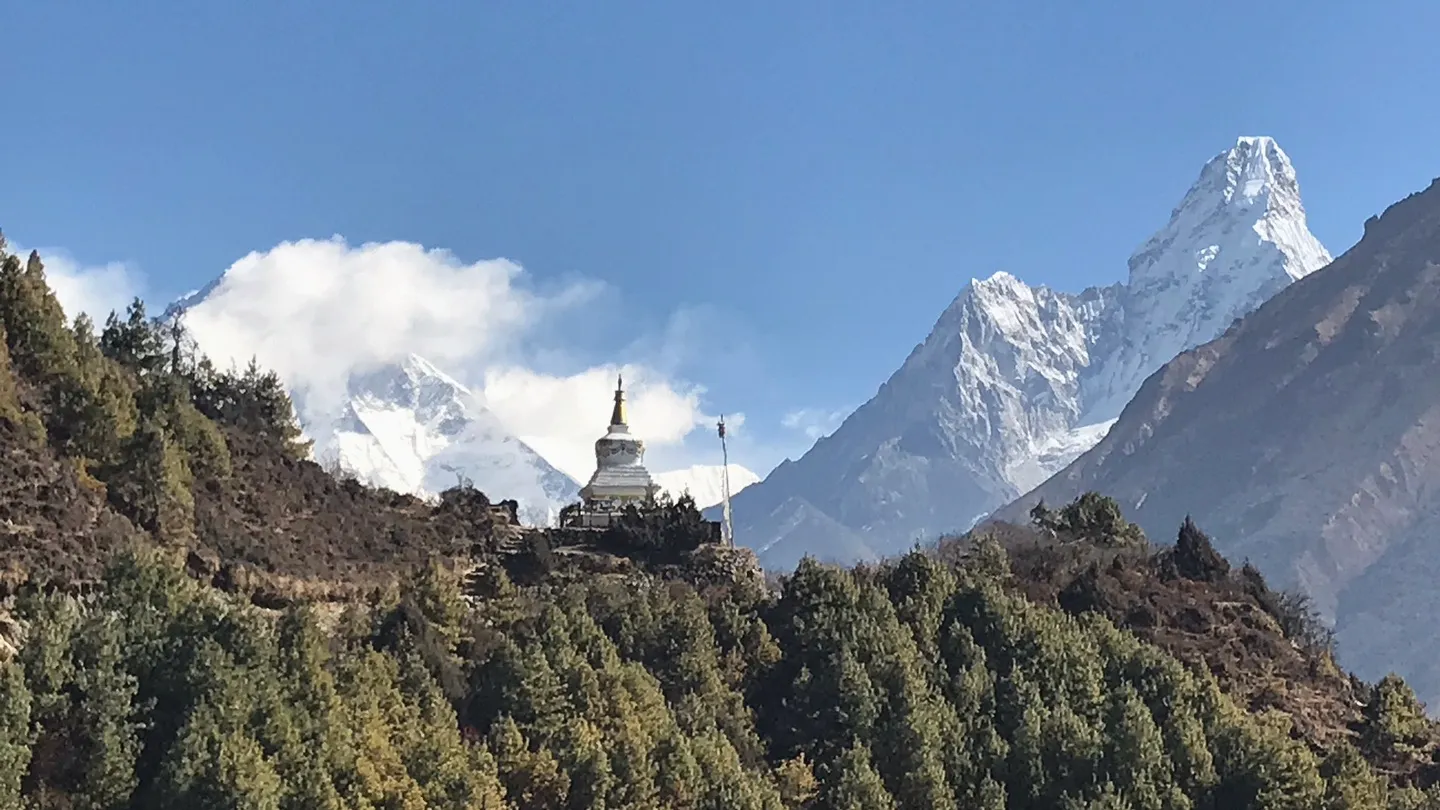
Leaving Namche, the trail contours around the mountainside, offering constant views of Ama Dablam, arguably the most beautiful peak in the region. The descent to Phunki Tenga is followed by another demanding climb to Tengboche (3,860m). This village is home to the Tengboche Monastery, the largest and most significant spiritual center in the Everest region. The sight of monks in saffron robes against the backdrop of Everest and Mt. Lhotse is an image that stays with trekkers forever.

The journey continues toward Pangboche (3,985m), an ancient village that sits higher than Tengboche. Pangboche is famous for its monastery, which is said to be the oldest in the Khumbu. As you move through this region on your Everest Base Camp Trek, you’ll notice the trees becoming sparser and the landscape taking on a rugged, alpine character. The sense of isolation grows, and the air becomes noticeably thinner, requiring a slow and steady “Sherpa pace” to ensure safety.

The Final Push: Lobuche, Gorakshep, and Everest Base Camp

As you climb toward Lobuche (4,910m), you pass through the Thukla Pass, home to a somber and powerful memorial site dedicated to the climbers who have lost their lives on Everest. It is a place of reflection that highlights the immense respect the mountains demand. From Lobuche, the trail follows the lateral moraine of the Khumbu Glacier. The terrain becomes a moonscape of rock and ice, signaling that you are nearing the ultimate goal of the Everest Base Camp Express Trek.

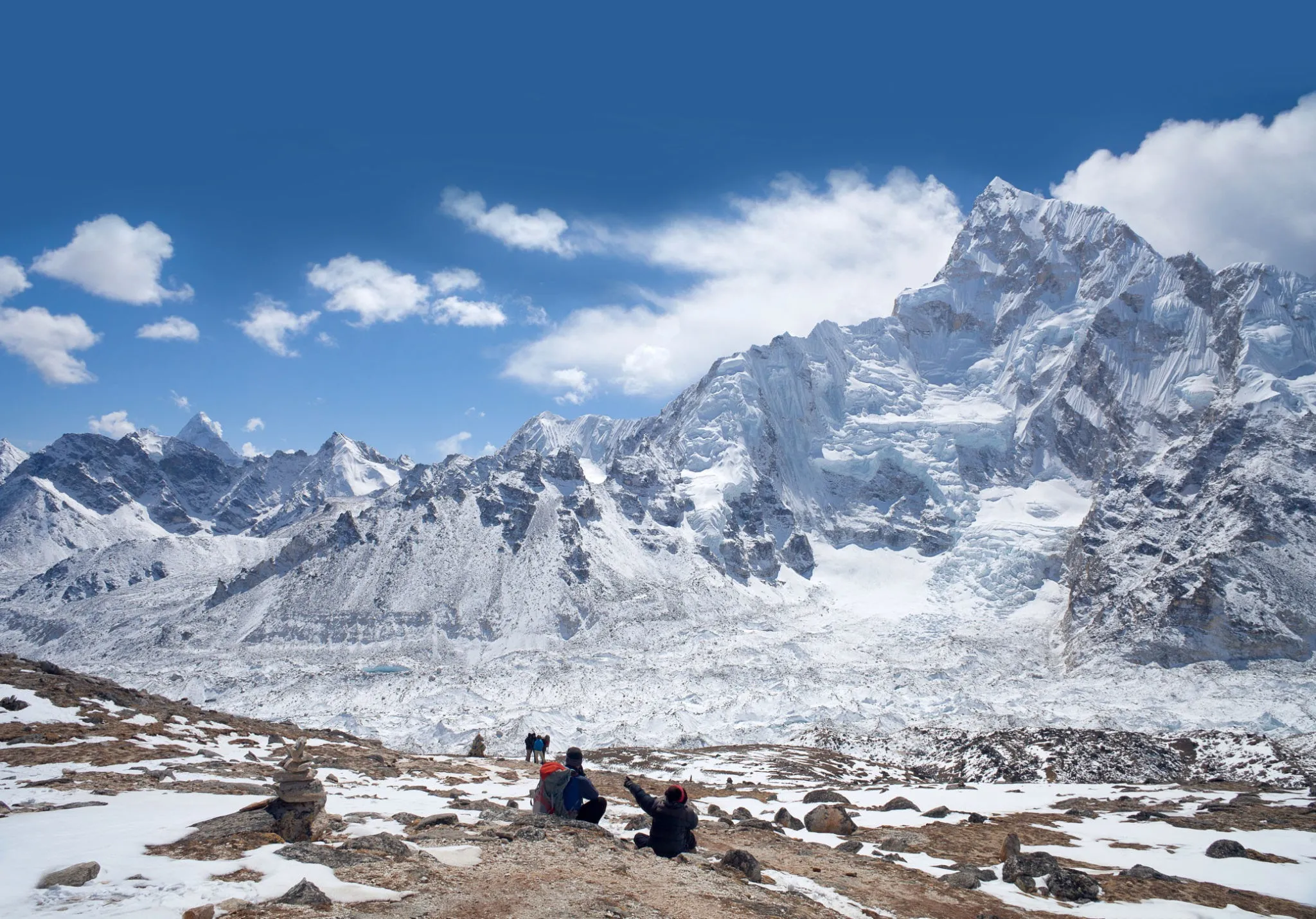
Gorakshep (5,164m) is the final outpost before the base camp. It sits on a frozen lakebed and serves as the launchpad for the two most critical excursions of the trip. The trek from Gorakshep to Everest Base Camp (5,364m) is a surreal experience. You walk alongside the Khumbu Icefall—a massive, moving river of ice. Standing at Base Camp, surrounded by the colorful tents of expedition teams (during the spring) and the sheer walls of the world’s highest mountains, provides a sense of accomplishment that is hard to put into words.

The Ultimate Viewpoint: Kalapathar

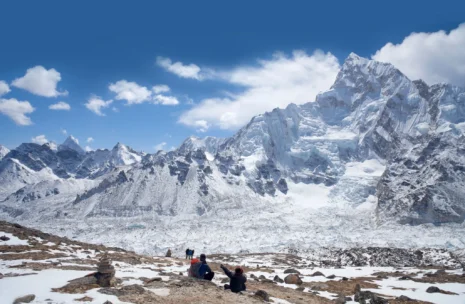
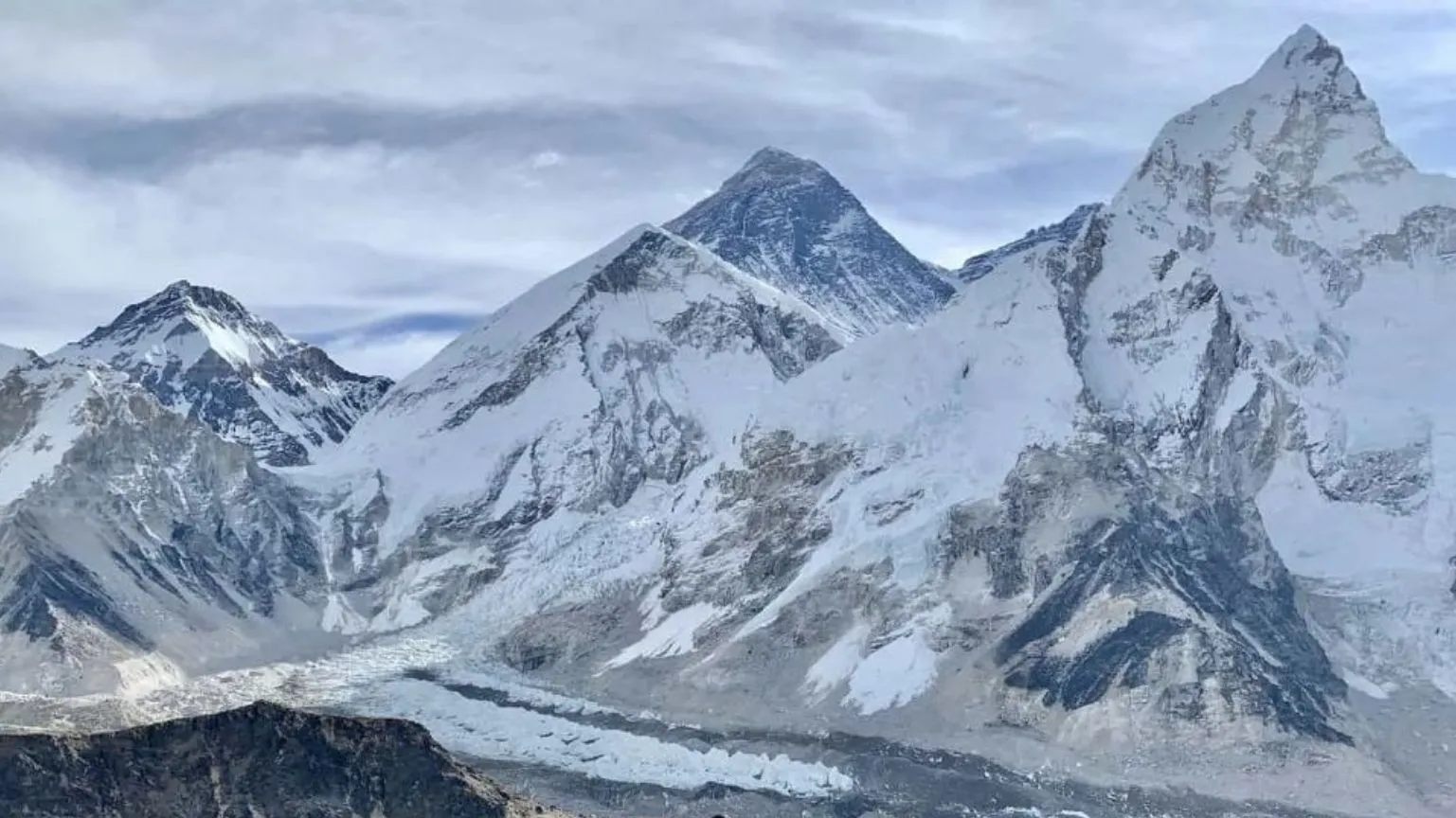
While reaching Base Camp is the goal, the best view of Everest itself comes from Kalapathar (5,550m). Most trekkers on the Everest Base Camp Express Trek wake up well before dawn to make the grueling ascent to this black rock peak. The reward is a 360-degree panorama that includes Everest, Pumori, Nuptse, and Lhotse, all illuminated by the first golden rays of the sun. Unlike the view at Base Camp where Everest is partially hidden, from Kalapathar, the mountain stands in full, majestic glory. This is the definitive “top of the world” moment that defines the entire Everest Base Camp Trek experience.

The Journey Back: Descent and Reflection

The descent from the high altitudes is much faster but no less beautiful. Following the successful summit of Kalapathar, the itinerary takes you back down through Pheriche or Dingboche, re-entering the tree line and the warmer, oxygen-rich air of the lower valleys. Passing back through Namche Bazaar, you have a chance to celebrate your success with a “congratulatory” coffee or a local meal before the final trek back to Lukla.

The final night in Lukla is often filled with a mixture of exhaustion and exhilaration. Trekkers share stories with their guides and porters, reflecting on the 130-kilometer journey they have just completed. The following morning, a flight back to Kathmandu brings you back to civilization, though a piece of your spirit will likely remain in the high Himalayas.

Strategic Comparison: EBC Express vs. Panorama View Trek

For those deciding which path to take, it is helpful to understand the distinctions between these popular routes:

Feature: Everest Base Camp Express Trek

Duration: 10–12 Days                         Max Altitude: 5,550m (Kalapathar)

Difficulty: High (due to pace)         Best For: Experienced, fit trekkers

Core Highlight: Reaching EBC & Kalapathar

Feature: Everest Base Camp Trek (Standard)

Duration: 14–16 Days                     Max Altitude: (Kalapathar)3,880m

Difficulty: Moderate-High                  Best For: First-timers seeking a steady pace

Core Highlight: Reaching EBC & Kalapathar

Feature: Everest Panorama View Trek

Duration:  7–9 Days                             Max Altitude: 3,880m (Everest View Hotel)

Difficulty: Easy-Moderate                       Best For: Families or those with limited time

Core Highlight: Views of Everest from Namche/Tengboche

Essential Tips for Success

Physical Preparation: The Everest Base Camp Express Trek requires a high level of cardiovascular fitness. Training should begin at least 3 months in advance, focusing on leg strength and lung capacity.

Acclimatization: Never ignore the symptoms of AMS (Acute Mountain Sickness). Even on an express schedule, “climb high, sleep low” is the golden rule.

Hydration and Nutrition: Drink at least 3–4 liters of water daily. Traditional meals like Dal Bhat provide the sustained energy needed for 6–7 hours of daily walking.

Gear: Invest in high-quality trekking boots and a down jacket rated for -15°C. The weather at Gorakshep can be unforgiving even in the best seasons.

The Everest Base Camp Express Trek is more than just a checkmark on a bucket list; it is a transformative journey that tests your limits and rewards you with views that few people on earth will ever see in person. Whether you are seeking the challenge of the full Everest Base Camp Trek or the stunning vistas of the Everest Panorama View Trek, the Khumbu region promises an adventure that will resonate with you for a lifetime.
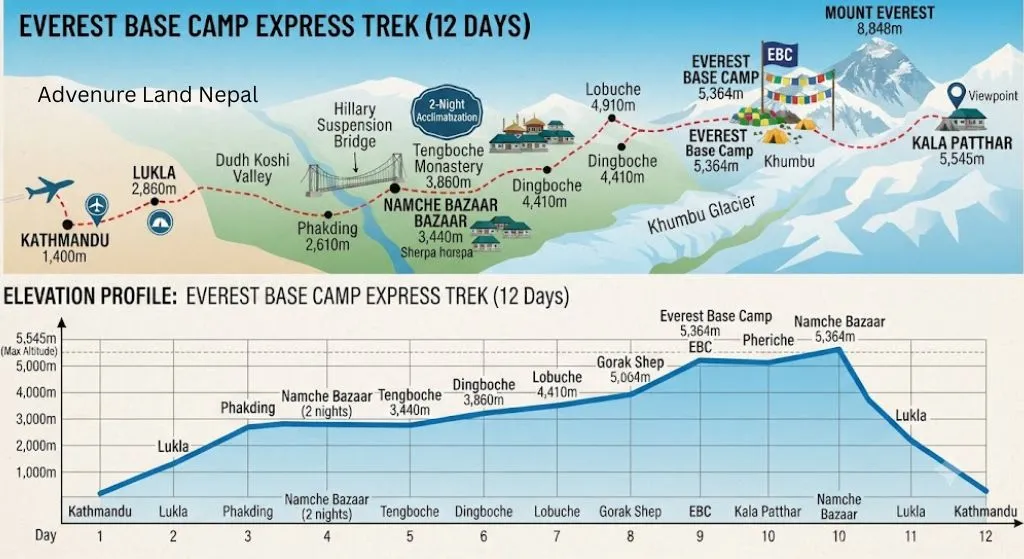
Detail Trip Itinerary

Upon your arrival at the International Airport, our representative will be there to greet you at the designated pick-up time. You will then be transferred to your hotel. Later on the same day, our trek officer will provide you with a comprehensive briefing about the Everest Base Camp trek, offering essential information to help you prepare for the adventure ahead.

Accomodation: Hotel
Altitude:1400 Meters.
Meals: Not included
Multiple: 7 KM Distance/25 minutes drive

Following breakfast in the morning, you’ll be transferred to the domestic terminal of Kathmandu Domestic Airport to catch your scheduled morning flight bound for Lukla, the gateway to the 12 Days Everest Base Camp Trekking adventure. Embarking on a 30-minute scenic flight above the awe-inspiring green and white Himalayas, you’ll touch down at Tenzing-Hillary Airport in Lukla. Upon arrival, you’ll meet with porters and other crew members before commencing your trek.

After a few hours of trekking, you’ll arrive at Phakding. Today’s trek is intentionally short to aid in proper acclimatization. However, for those keen on exploration, an optional side trip to a nearby monastery is also available.

Accomodation: Lodger/Guest House
Altitude:2860 Meters.
Meals: Breakfast/Lunch/Dinner
Multiple: 35 Minutes Flight/8 KM Distance/3-4 hours Trek/Trek Guide

Today marks the second day of your thrilling 12-day journey to Everest Base Camp. As you set out, you’ll find yourself immersed in the tranquil beauty of pine forests, following a path that meanders alongside the Dudh Koshi River, adorned with several suspension bridges, including the iconic Hillary Suspension Bridge. Along the way, be prepared to be captivated by the majestic sight of Mount Thamserku (6618m).

Passing through the charming settlements of Benkar and Monjo, you’ll eventually reach the checkpoint and entrance to Sagarmatha National Park. Continuing your trek, you’ll traverse the last village of Jorsale before your path ascends through lush forests and over bridges. As you approach the confluence of the Dudh Koshi and Bhote Koshi Rivers, a breathtaking panorama awaits, with your first glimpse of Mount Everest towering over the Lhotse and Nuptse ridges following a final steep ascent of about two hours.

Though the sight of Everest is awe-inspiring, your journey is not yet complete. You’ll trek for another hour and a half to reach Namche, the bustling gateway to Everest Base Camp and the bustling heart of the Everest region. Namche Bazaar serves as the main trading center, bustling with activity and offering a warm welcome to trekkers embarking on this legendary adventure.

Accomodation: Lodge/Guest House
Altitude:3600 Meters.
Meals: Breakfast/Lunch/Dinner
Multiple: Trek Guide/12 KM Distance/5-6 hours Trek

The journey to Tengboche may be characterized by dusty, winding paths, yet the breathtaking vistas from the monastery make every step worthwhile. With few strenuous ascents or descents, trekkers have ample opportunities to indulge in photography, capturing the essence of the trek. From photographing serene stupas, vibrant prayer flags, and intricate Mani walls adorned with Buddhist prayers, to capturing the majestic presence of mountains like Ama Dablam (6,812 m), every moment presents a rewarding endeavor. And of course, immortalizing the grandeur of Tengboche Monastery itself adds a touch of spiritual and architectural splendor to your photographic journey.

Accomodation: Guest House/Lodge
Altitude:3890 Meters.
Meals: Breakfast/Lunch/Dinner
Multiple: Trek Guide/11 KM Distance/5-6 hours Trek

The trek from Tengboche to Dingboche commences with a visit to the region’s oldest Buddhist monastery, a serene start to the day’s journey. As you venture forth, the path leads through enchanting alpine woods, guiding you past Upper Pangboche, a bustling settlement, and onwards through the quaint villages of Shomare, Orsho, and Tsuro Wog.

Traversing through the picturesque Khumbila Khola valley towards the ridge top, prepare to be spellbound by the awe-inspiring vistas that unfold before you. Behold the majestic peaks of Taboche (6,495m), Mount Thamserku (6,608m), Mount Ama Dablam (6,812m), Mount Nuptse (7,861m), Mount Cholatse (6,440m), and Mount Lhotse (8,516m), among others, as they rise majestically into the sky.

Continuing along the path, you’ll eventually reach Dingboche, the culmination of your journey for the day, after ascending past Imja Khola, where you can unwind and take in the beauty of your surroundings.

Accomodation: Guest House/Lodge
Altitude:4400 Meters.
Meals: Breakfast/Lunch/Dinner
Multiple: Trek Guide/11 KM Distance/4-5 hours Trek

The trek commences with a challenging ascent through the Khumbu Khola valley, leading you steadily towards Duglha. As you approach Dusa, the valley begins to narrow, presenting a rugged and formidable terrain marked by towering boulders and the occasional passage of mountain yaks at considerable altitudes. Along the way, you’ll encounter numerous memorials adorned with prayer flags and stones, serving as poignant reminders of climbers who lost their lives on their journey to Mount Everest.

Continuing along the path, you’ll reach the juncture that connects the routes to Gokyo Lakes and Cho-La Pass, offering glimpses of formidable peaks such as Khumbuste (6,636m), Lingtren (6,749m), and Pumori (7,161m). The journey towards Lobuche is characterized by its demanding mountainous terrain, which may induce fatigue in even the most seasoned hikers. Upon arrival in Lobuche, you’ll find sparse settlements amidst the rugged landscape, offering a stark contrast to the surrounding grandeur of the Himalayas.

Accomodation: Lodge/Guest House
Altitude:4910 Meters.
Meals: Breakfast/Lunch/Dinner
Multiple: Trek Guide/17 KM Distance/5-6 hours Trek

Today marks the pinnacle of your 12 Days Everest Base Camp Trekking adventure, as you embark on the trail to Gorakshep, leading you alongside the Khumbu Glacier. Along the way, you’ll pass the iconic pyramid signpost, a landmark signaling your journey’s progression. Ascending steadily, you’ll reach Thangma Riju, where a rewarding ascent awaits, offering a breathtaking 360-degree panorama of majestic snow-capped peaks.

Upon arrival in Gorakshep, you’ll be greeted by the awe-inspiring presence of the surrounding snow-capped mountains, including the towering summit of the world, Mount Everest. From Gorakshep, your journey continues as you trek to Everest Base Camp, where the rewarding views of Mount Everest and the surrounding peaks await. After soaking in the awe-inspiring sights, you’ll return to Gorakshep, where you’ll spend the night, reflecting on the unforgettable experiences of the day amidst the Himalayan splendor.

Accomodation: Hotel or Lodge
Altitude:5180 Meters - Gorakshep./5380 Meters - EBC
Meals: Breakfast/Lunch/Dinner
Multiple: Trek Guide/9 KM Distance/6-7 hours Trek (up & down)

Today marks the pinnacle of your Everest Base Camp 12 Days Trekking adventure as you ascend to the highest point, Kalapatthar. Setting out early in the morning, you’ll embark on this exhilarating journey to catch the dramatic mountain vistas that await you.

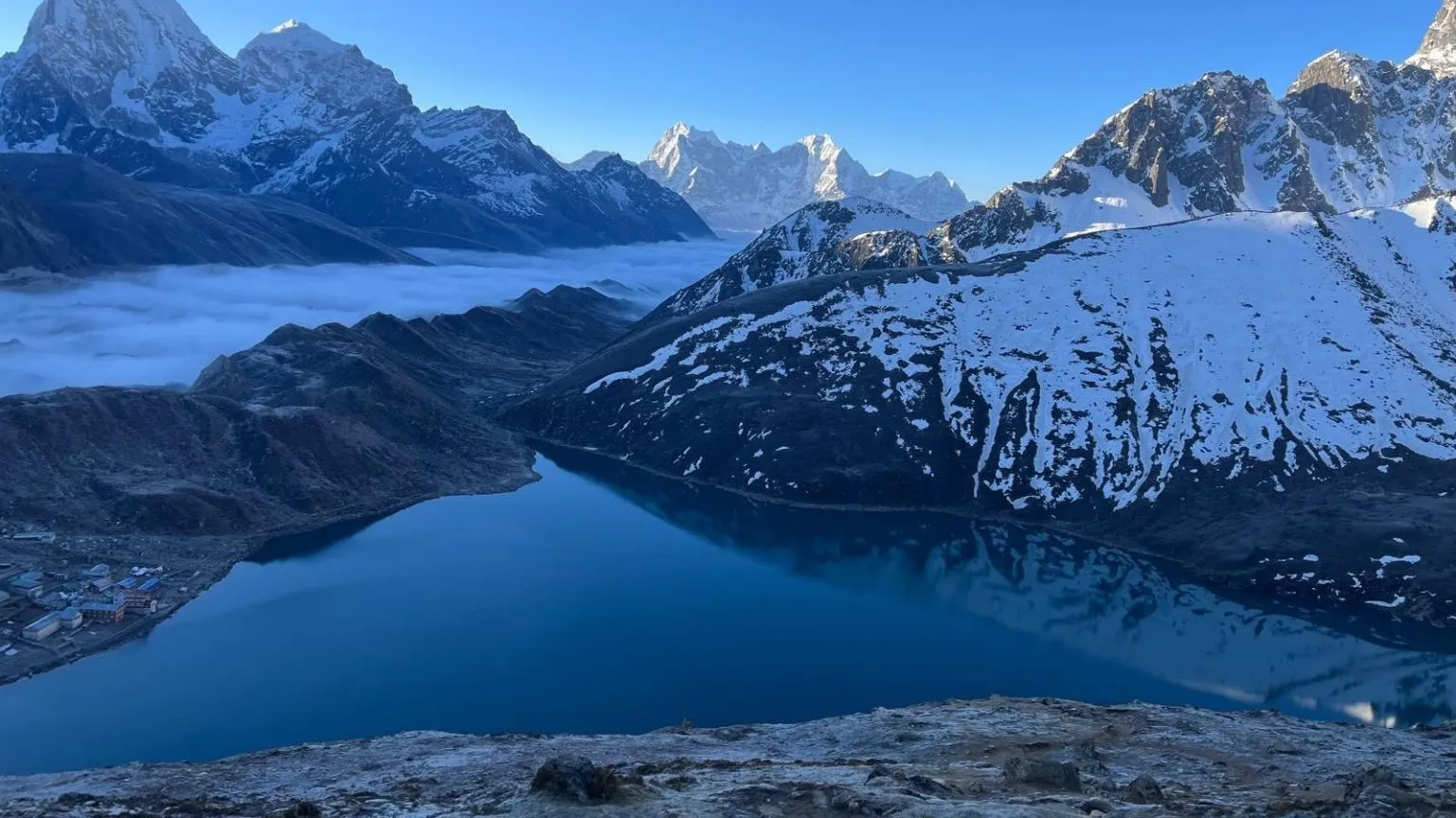
Kalapatthar is renowned as one of the finest viewpoints along the EBC 12 Days Trekking route. From its vantage point, you’ll witness the first rays of dawn casting a golden glow upon the majestic Mount Everest. As the morning unfolds, familiar peaks such as Lingtren, Mount Khumbutse, and Mount Changtse emerge in the east, while Everest majestically reveals itself between the west shoulder crest and Nuptse. This is an ideal opportunity to capture the breathtaking beauty of the surrounding mountains through your camera lens.

After spending several hours soaking in the awe-inspiring scenery atop Kalapatthar, you’ll descend back to Gorakshep for a well-deserved breakfast. Following this, you’ll gradually make your way down to Pheriche, where you’ll spend the night, reflecting on the extraordinary experiences of the day amidst the tranquil beauty of the Himalayan landscape.

Accomodation: Guest House/Lodge
Altitude:4320 Meters - Lobuche/5450 Meters - Kalapathar.
Meals: Breakfast/Lunch/Dinner
Multiple: Trek Guide/10 KM Distance/7-8 hours Trek

On this day, your trek leads you back to Namche. Although it’s a relatively long day of walking, the descent to Namche is steep but easy, ensuring that fatigue is kept at bay. Enjoy the scenic journey as you make your way down to the vibrant village of Namche.

Today’s trek will offer a gentle descent to lower altitudes, providing a welcome respite from the higher elevations of the past days. Following the familiar route of your Everest Base Camp 12 Days Trek, you’ll retrace your steps back to the terminal moraines at Dughla, before traversing the expansive valley of Khumbu Khola.

Along the way, you’ll pass through picturesque Sherpa villages such as Pheriche, Orsho, and Shomare, each offering glimpses into the rich cultural heritage of the region. Continuing onwards, you’ll arrive at Pangboche village, where you’ll have the opportunity to explore the oldest monastery in the area. Legend has it that this monastery houses relics claimed to belong to the mythical snowman, Yeti.

As you bid farewell to the towering mountains, your descent will lead you through Tengboche Monastery, situated at an elevation of 3,860 meters, before reaching the bustling town of Namche. This tranquil journey down the mountainside offers a chance to reflect on the unforgettable experiences of your trek amidst the serene beauty of the Himalayan landscape.

Accomodation: Guest House/Lodge
Altitude:3435 Meters.
Meals: Breakfast/Lunch/Dinner
Multiple: Trek Guide/20 KM Distance/6-7 hours Trek

On the 10th and final day of your Everest Base Camp 12 Days Trekking Itinerary, the trail leads you on a steep descent, requiring cautious and deliberate steps to navigate the rocky terrain. As your legs adjust to the strain, you’ll find respite as the path gradually levels out after crossing suspension bridges over the turbulent Dudh Koshi River.

With each step, you’ll feel invigorated by the gentle breeze, a welcome contrast to the challenging terrain. Passing through enchanting forests of pine and rhododendrons, you’ll soon arrive at Lukla, your journey’s starting point and now its end. Here, amidst the tranquil surroundings, you’ll spend your final night, reflecting on the incredible experiences and memories forged during your 12-day trek to Everest Base Camp.

Accomodation: Guest House/Lodge
Altitude:2850 Meters.
Meals: Breakfast/Lunch/Dinner
Multiple: Trek Guide/18 KM Distance/6-7 hours Trek

Today marks the return journey from the mountains as you fly back to Kathmandu. Departing from Lukla in the morning, you’ll board your flight, which will whisk you away on a scenic 35-minute journey back to Tribhuvan International Airport in Kathmandu.

Upon your arrival in Kathmandu, you’ll have the option to take some well-deserved rest and relaxation, allowing your body and mind to unwind after the exhilarating trek. Alternatively, if you’re feeling up to it, you can explore the vibrant streets of Kathmandu for some last-minute shopping, immersing yourself in the bustling atmosphere and picking up souvenirs to commemorate your unforgettable adventure in the Himalayas.

Accomodation: Hotel
Altitude:1400 Meters.
Meals: Breakfast/Lunch
Multiple: 35 minutes Flight/7 KM Distance/25 minutes Drive

You have the freedom to spend your time as you wish until your departure. We will be pleased to see you off at the hotel and ensure your smooth transfer to Kathmandu airport for your onward journey. Safe travels!

Accomodation: Not included
Altitude:No
Meals: Breakfast
Multiple: 7 KM Distance/25 minutes drive

Trip Cost Detail

What is Included

comprehensive transportation

  • Private airport transfers (Pick-up and Drop-off) in Kathmandu.

  • Domestic Logistics: All transfers between your hotel and the domestic airport (Kathmandu or Manthali/Ramechhap).

  • Ramechhap/Manthali Connection: If flights are operating from Ramechhap, we provide comfortable shared or private transport from Kathmandu to Manthali and back.

Domestic Flights (The Gateway to Everest):

  • Round-trip flight tickets for Manthali to Lukla and Lukla to Manthali/Ramechhap.

  • Note: We also offer the option for direct Kathmandu–Lukla–Kathmandu flights upon request (subject to seasonal availability and airline scheduling).

Premium Accommodations:

  • ity Stay: Standard 3-star hotel accommodations in Kathmandu(Twin-sharing basis) including a fresh daily breakfast.

  • On the Trail: Carefully selected mountain lodges and traditional teahouses during the trek, chosen for their hospitality and hygiene.

Full Board Mountain Meals:

  • Standard Breakfast, Lunch, and Dinner provided daily during the trek.

  • fresh seasonal fruits avilable where possible along the route.(after dinner)

  • A wide selection of menu items to maintain high energy levels for high-altitude trekking.

All Necessary Permits:

  • Sagarmatha National Park Entry Permit.

  • Khumbu Pasang Lhamu Rural Municipality Entrance Permit (Local Government Tax).

  • All administrative fees and official paperwork handled by our office.

Professional Trekking Leadership:

  • An elite, government-licensed English-speaking Trekking Guide.

  • Our guides are experts in high-altitude safety and local culture.

  • The package fully covers the guide’s salary, meals, accommodation, equipment, and comprehensive mountain insurance.

  • A comprehensive medical kit (oximeter and Diamox included) carried by your guide

  • One porter for every two trekkers (each porter carries up to 25 kg total—approx 10–12 kg per trekker)

What is Excluded

International Travel:

  • International airfare to/from Nepal and Nepal Entry Visa fees (obtainable upon arrival).

City Dining:

  • Lunch and Dinner during your stay in Kathmandu (giving you the freedom to explore the city’s diverse culinary scene).

Personal Refreshments:

  • All bar bills, including alcoholic beverages, bottled water, canned sodas, and specialty coffees.

  • bills for wi-fi internet,hot shower,battery charging during the trek.

Personal Gear:

  • Trekking equipment (boots, sleeping bags, down jackets), though these can be rented in Kathmandu if needed.

Safety & Emergency:

  • Travel Insurance: Mandatory insurance covering medical expenses and emergency helicopter evacuation at high altitudes.

  • Costs resulting from unforeseen events such as flight delays, cancellations, road blockages, or strikes.

  • Itinerary Flexibility: Extra costs incurred if the client requests changes to the itinerary or stays extra days in the mountains.

  • Gratitude: Tips for your guide, porters, and drivers (a customary way to show appreciation for excellent service).

FAQS of Everest Base Camp Express Trek (12 days)

As of 2023 and continuing into 2026, solo trekking is no longer permitted in most of Nepal’s national parks. All trekkers must be accompanied by a licensed guide from a registered agency like Adventure Land Nepal. You will also need the Khumbu Pasang Lhamu Rural Municipality Permit and the Sagarmatha National Park Entry Permit, which we arrange for you.

The trek is graded as moderate to challenging. While you don’t need technical climbing skills or ropes, you will be walking for 12–14 days at high altitudes (up to 5,364m). We recommend at least 2–3 months of cardiovascular training (hiking, running, or cycling) before your arrival in Kathmandu.

The “Gold Standard” months are March to May (Spring) for blooming rhododendrons and September to November (Autumn) for the clearest mountain views. If you want to avoid the crowds, late February or early December are excellent “shoulder” months, though the nights are much colder.

Yes, most teahouses now offer paid Wi-Fi (often via “Everest Link” cards) and charging stations for a small fee (approx. $2–$5). However, as you go higher than Namche Bazaar, the connection can be unstable. We recommend bringing a portable power bank.

Our 12-day and 14-day itineraries include two mandatory acclimatization days (usually in Namche and Dingboche). Our guides are trained to monitor your oxygen levels daily. The key is to walk slowly (“Bistari, Bistari”), stay hydrated, and avoid alcohol during the ascent.

Quick Inquiry

Trip fixed departure Date and Price

Trip Date Price Avaibility Status Action
Jul 08, 2026 -Jul 19, 2026 USD$1845 Available
Jul 10, 2026 -Jul 21, 2026 USD$1845 Available
Jul 12, 2026 -Jul 23, 2026 USD$1845 Available
Jul 15, 2026 -Jul 26, 2026 USD$1845 Available
Jul 17, 2026 -Jul 28, 2026 USD$1845 Available
Jul 19, 2026 -Jul 30, 2026 USD$1845 Available
Jul 22, 2026 -Aug 02, 2026 USD$1845 Available
Jul 24, 2026 -Aug 04, 2026 USD$1845 Available
Jul 26, 2026 -Aug 06, 2026 USD$1845 Available
Jul 29, 2026 -Aug 09, 2026 USD$1845 Available
Jul 31, 2026 -Aug 11, 2026 USD$1845 Available

Trip Map

Trip Photo Gallery

Useful Info

Flight from Lukla or Ramechchap for EBC TRek

Flying into Lukla: What You Need to Know

Lukla Airport, also known as Tenzing-Hillary Airport (after the first Everest summiters), sits at a high altitude (2,846 meters) and requires good weather for safe landings and takeoffs. This can sometimes lead to flight delays or cancellations. To avoid missing your international connection, we highly recommend factoring in two buffer days at the end of your trek.

Navigating Lukla Weather:

Traditionally, flights to Lukla departed from Kathmandu. However, due to weather concerns and potential congestion, Ramechhap Airport has become a popular alternative.

Ramechhap Airport: Advantages and Considerations

Located on the Terai (foothills) and closer to Lukla, Ramechhap often enjoys better weather conditions than Kathmandu. This translates to fewer flight delays. The downside? It requires a pre-dawn (around 3 am) bus ride from Kathmandu to reach Ramechhap in time for your morning flight.

Look at it This Way:

Think of the bus ride as an additional adventure! You’ll get to see new scenery and experience another facet of Nepal. If you have any questions about flying into Lukla, don’t hesitate to ask!

Transportation Service for EBC Trek

Adventure Land Nepal offers complimentary airport transfers for both international and domestic arrivals and departures. Additionally, we provide all ground transportation within Kathmandu.

Round-trip flights to and from Lukla are included in our packages, covering all applicable airport taxes. However, it’s important to note that despite these inclusions, flights to and from Lukla may experience delays or cancellations due to adverse weather conditions.

Alternative Trekking Route in Everest Base Camp

If you’re seeking a complete trekking adventure to and from Everest Base Camp, our 16-day standard Everest Base Camp Trek package is tailor-made for you. Moreover, you might explore alternatives like the Gokyo Lake Trek, Everest Three Passes trek, or Everest View Trek. Don’t hesitate any longer! Let World Alpine Treks guide you to your dream destination – Everest Base Camp. We assure you a secure and thrilling journey to the pinnacle of the world.

Group Joining or Private Trek?

Choosing between a group joining trek and a private trek to Everest Base Camp (EBC) depends on your personality and travel style. Here’s a breakdown to help you decide:

Group Joining Trek:
Advantage:
Cost-effective: Group treks are significantly cheaper than private treks. You’ll share guide and logistics costs with other participants.
Social experience: Meet fellow adventurers from around the world and share the experience.
Set itinerary: The route, accommodation, and meals are pre-arranged, making it easier to plan.
Safety in numbers: Have the support of a guide and fellow trekkers, which can be reassuring, especially for first-time trekkers.
Disadvantage:
Less flexibility: You’ll follow a set itinerary and pace that caters to the entire group.
Less privacy: Expect shared accommodation (tea houses) and limited personal space.
Potential for personality clashes: Traveling with a group can lead to differences in pace, interests, or energy levels.

Private Trek:

Advantage:
Flexibility: Customize your itinerary, pace, and rest days to suit your preferences.
Privacy: Enjoy a more exclusive experience with a personal guide and porters.
Set your own pace: Hike at a speed that’s comfortable for you without worrying about the group.
Disadvantage:
Higher cost: Private treks are considerably more expensive than group treks.
Less social interaction: You might miss out on the camaraderie of a group setting.
More planning: You’ll need to handle logistics like permits, accommodation, and meals.
Here are some additional factors to consider:

Experience level: If you’re a beginner or feel more comfortable with a group for safety reasons, a group trek might be ideal.
Travel style: Do you crave adventure and meeting new people, or do you prefer a more personalized experience?
Budget: Consider how much you’re willing to spend on your trek.
Ultimately, the best choice depends on your priorities. If you have any questions, feel free to ask!

What can you do if Bad Weather in Everest Base Camp Trek?

In the Everest Base Camp region, bad weather can sometimes disrupt trekking plans, particularly during the peak trekking seasons (spring and autumn). When faced with bad weather conditions, trekkers have several options:

Stay Put: If the bad weather is temporary or not severe, it might be safest to stay put in your current location until conditions improve. This could mean staying an extra night at a tea house or lodge along the trekking route.

Wait for Clearer Weather: Depending on the severity of the weather conditions, it might be necessary to wait for clearer weather before continuing the trek. This could mean waiting a few hours, a day, or even longer depending on the forecast.

Retreat to Lower Altitude: If bad weather persists or poses significant risks, trekking back down to a lower altitude might be necessary. Descending to a lower elevation can often provide better weather conditions and reduce the risk of altitude-related illnesses.

Seek Shelter: If you’re caught in bad weather while trekking between villages, seek shelter in a nearby tea house, lodge, or other suitable structure until conditions improve.

Follow Local Advice: Local guides and lodge owners are familiar with the weather patterns in the region and can provide valuable advice on the best course of action during bad weather.

Emergency Communication: In extreme cases where bad weather prevents safe travel, emergency communication devices such as satellite phones or emergency beacons can be used to call for assistance.

It’s essential to prioritize safety when trekking in the Everest region, especially when faced with adverse weather conditions. Always be prepared for changing weather conditions by bringing appropriate clothing, gear, and emergency supplies. Additionally, staying informed about weather forecasts before and during your trek can help you make informed decisions about your itinerary.

What to Pack for the Everest Trek?

And finally, you need to know what to pack for your trek. We cover that in more detail, but in essence, our advice would be to bring the following equipment:

a solid, trekking backpack with a waist strap,

a sleeping bag,

a change of clothes (hiking pants, merino t-shirts, long sleeve shirts, undergarments, etc.),

a sturdy and solid pair of Trekking boots,

hiking socks,

rain jacket, poncho, or another piece of waterproof clothing,

cap or hat for sun protection,

sunglasses,

sunscreen,

bug spray

trekking poles,

toiletries (toothbrush, deodorant, washcloth, etc.),

toilet paper,

essential medications,

some light snacks,

power bank.

As said, you will find a full list in our video guide. We will also send you a dedicated Everest Bae Camp Trek 35-page dossier, a full itemized kit list of necessary items to pack, and other information regarding the Everest Base Camp Trek.

Safety and Satisfaction in Everest Base Camp Trek

“Our 12-Day Everest Base Camp Itinerary offers a fully guided trek led by a seasoned, English-speaking local guide who will be with the group from arrival to departure. Our guides are comprehensively insured and have received thorough training accredited by the government of Nepal. While our guides are certified, they will carry all necessary equipment, including a first aid kit, for the safety of the trek. We recommend bringing personal medical supplies if available. In the event of mountain sickness or unforeseen emergencies, we are prepared to dispatch a rescue helicopter to ensure the safety of our clients. Please ensure your travel insurance covers medical evacuation and emergency helicopter rescue up to 600 meters, as we may need to utilize these services.”

Everest Base Camp Trek Booking

During peak trek seasons (March, April, May, October, and November), slight adjustments to the trek itinerary may occur. This is primarily due to flight logistics, as flights to Lukla will depart from Ramechhap/Manthali instead of Kathmandu due to traffic congestion.

For flights from Ramechhap, departure logistics entail leaving Kathmandu and heading to Manthali around 12:30 a.m. on the scheduled departure date. The journey typically takes approximately five hours by road. Outside of peak seasons, flights will depart from Kathmandu as usual.

Internet and Wi-Fi Service in Everest Base Camp Trek

Unlike many other trekking trails in Nepal, the Everest trekking route is distinguished by its well-established amenities, including internet access. Airlink, an Internet Service Provider in the region, offers various internet packages.

For a 24-hour duration, the unlimited internet package from Airlink costs NPR 700 (approximately 6-7 USD), while the 48-hour package is priced at NPR 1200 (around 9-10 USD). Airlink’s Wi-Fi is available in most guest houses along the Everest Base Camp route.

It’s worth noting that these packages are valid for a single device. While some teahouses offer Wi-Fi for a fee, it may not always be reliable or accessible everywhere. To ensure consistent connectivity during your trek, it’s recommended to either purchase Everest Link or acquire a 3G/4G SIM card.
For more detailed insights, refer to the blog titled Wi-Fi and Internet Access During Everest Base Camp Trek.

Last Minute Booking of Everest Base Camp Trek

Ready for an Adventure on Short Notice?

We understand that sometimes travel plans take a thrilling turn! For treks within Nepal, we can accommodate last-minute bookings as late as one day before departure.

To secure your spot:

Full payment will be required at the time of booking.
Bookings can be made quickly and easily through our online form, email, WhatsApp message, or by phone.
Please note: Last-minute bookings may not be available for all destinations, including Bhutan and Tibet trips.

Ready to hit the trail?

Check out our free booking form to see what adventures await!

Responsible Tourism

As the Mount Everest Base Camp Trek 12 days gains popularity, responsible tourism becomes increasingly crucial. Trekkers are urged to reduce their environmental footprint by following Leave No Trace principles, honoring local traditions, and backing eco-friendly projects in the area. Preserving the delicate Himalayan ecosystem is paramount, and responsible tourism safeguards it for generations to come, preserving the magic of this legendary journey.

Our Staff

Adventure Land Nepal or Nepal Jang Trek and Expedition, we provide the best possible service to our customers and are proud of the experience that our Nepalese staff provide. That is why we hire full-time staff in Kathmandu.  It’s a win-win for our staff and customers. Our team are motivated to provide the best possible service with a smile, and you get the most out of your trekking experience!

Travel Experiences from Clients

Ása Steinarsdóttir

Ása Steinarsdóttir - Iceland

Everest Base Camp Trekking Tour

“I am truly speechless. Adventure Land Nepal picked us up from the airport and our Everest Base Camp Trek exceeded all expectations. Our guide, Jivan, was an incredible support throughout the entire journey. He was constantly attentive to our needs, ensuring we had proper meals, adequate water intake, and sufficient rest to prevent fatigue. Despite my struggles with the challenging steps and steep inclines, Jivan’s unwavering support and encouragement enabled me to reach Base Camp without succumbing to illness or giving up.

Only a truly dedicated and compassionate guide could have achieved this. Both my partner and I are immensely grateful to Jivan and our incredibly strong porter. This individual could easily break world records in weightlifting!

Nerea Alvarez Uribarri

Nerea Alvarez Uribarri - Chile

So great Trek to Everest Base Camp with ALN

“Simply amazing! This was my second trip with Adventure Land Nepal, and I specifically requested Khadka as my guide again after an incredible experience on the Everest Base Camp trek. ALN Tours never fails to impress. From start to finish, everything was organized flawlessly. Khadka is an exceptional guide who always goes above and beyond to make sure you have everything you need. His knowledge of the Himalayas is unmatched. Our porter, Bhim, was also fantastic—kind, helpful, and always friendly. Overall, it was a once-in-a-lifetime experience, and I highly recommend Adventure Land Nepal.”

More Reviews Write Review

Adventure Land Nepal Tours and Travels P. Ltd.

With over 18 years of experience we are well known in tourism sector of Nepal for operating both group and individual tours and treks. We have been executing adventure travel and tour itineraries with no occasion of complaints regarding our services since the time of our inception.

Contact Info